Gardening used to mean backbreaking work—digging, weeding, and constant watering. But in 2025, a new wave of eco-smart gardens is turning even the busiest (or laziest) homeowners into green-thumbed sustainability heroes. The secret? AI-powered sensors, native plants, and fuss-free designs that save time, water, and wildlife.
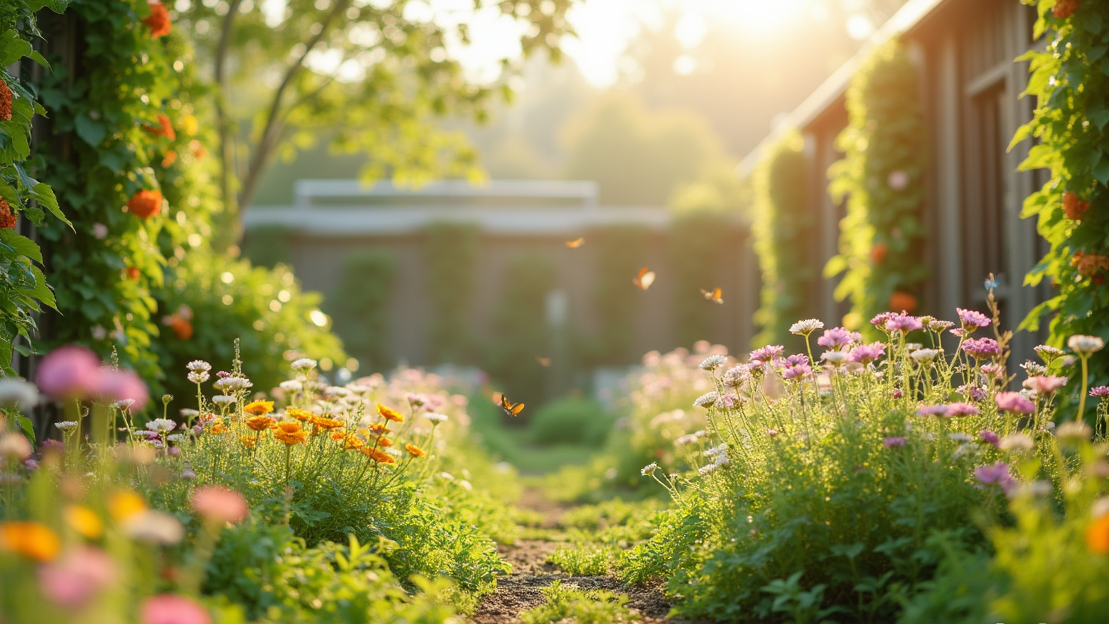
The #NoLawnMovement is exploding as people ditch thirsty, labor-intensive grass for vibrant wildflower meadows, clover lawns, and drought-resistant native shrubs. Why? Traditional lawns guzzle water, require chemicals, and offer zero ecological value. In their place, pre-selected native plant kits (like the “Monarch Rescue Garden” for pollinators or “Firewise Shrub Packs” for wildfire-prone areas) are taking over backyards.
Tech is making the transition effortless:
- Smart soil sensors (like Planty AI or Edyn) track moisture and nutrients, sending alerts like “Your soil’s dry—but wait, rain’s coming tomorrow!”
- Self-watering vertical gardens (such as Livit’s modular walls) use recycled rainwater and solar-powered pumps.
- App-controlled robotic weeders (see: Tertill 2.0) patrol garden beds, zapping invaders without chemicals.
For urbanites and overworked parents, subscription-based garden services are a game-changer. Companies like NativeRoots deliver seasonal native plants tailored to local climates, while GardenGenius offers virtual consultations with horticulturists via AR (augmented reality)—point your phone, and an expert identifies pests or suggests companion plants.
Even tools are getting smarter:
- Community “tool libraries” reduce waste by lending out pruners, tillers, and mulchers.
- Biodegradable plant pots (like Pela’s compostable containers) eliminate plastic waste.
The trend isn’t just about convenience—it’s about restoring ecosystems. A well-designed native garden:
✔ Slashes water use by 60%+ (compared to lawns).
✔ Attracts bees, butterflies, and birds, boosting biodiversity.
✔ Fights climate change by storing carbon in deep-rooted plants.