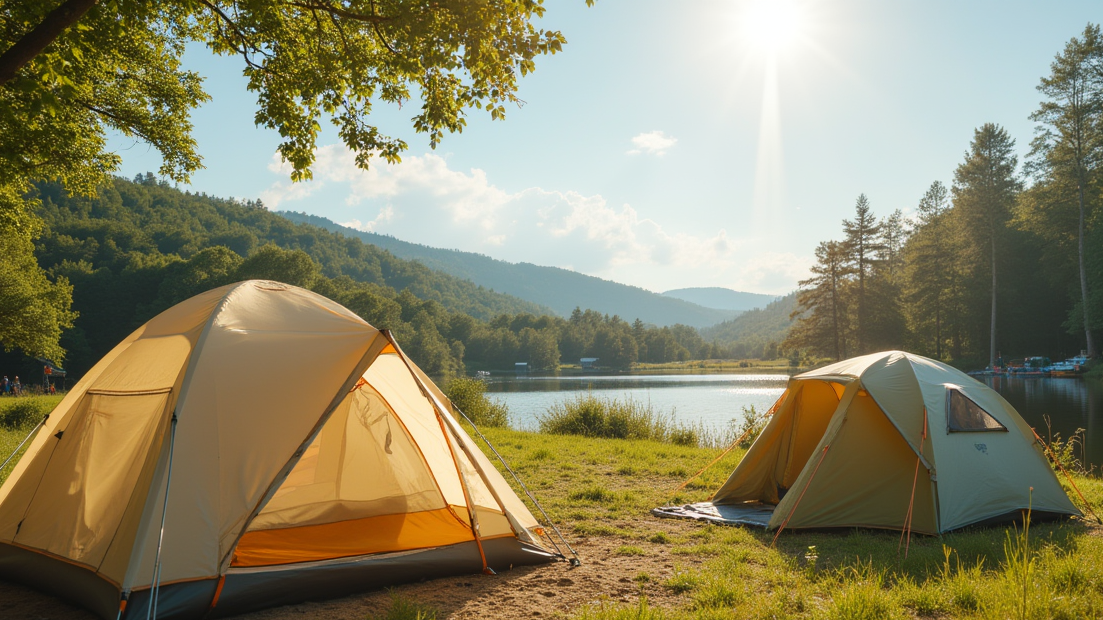
In 2025, national parks across the globe shattered attendance records—and even here in Europe, thousands flocked to breathtaking alpine and coastal reserves. But with popularity comes pressure. At Misthvn, our mission: show that high‑impact travel doesn’t mean high‑impact waste.
📈 2025 Became the Year of Visitor Surges
Parks from the Dolomites to the Scottish Highlands saw record‑breaking visitors last year, driven by post‑pandemic wanderlust and new travel freedoms. Meanwhile, many reserves struggled to accommodate surging foot traffic—mirroring the crisis seen in U.S. parks, where 331.9 million visits hit a historic high muckrack.com+3instagram.com+3gearjunkie.com+3gearjunkie.com+1gearjunkie.com+1.
How Sustainable Gear Made a Differenc
Pack with Purpose
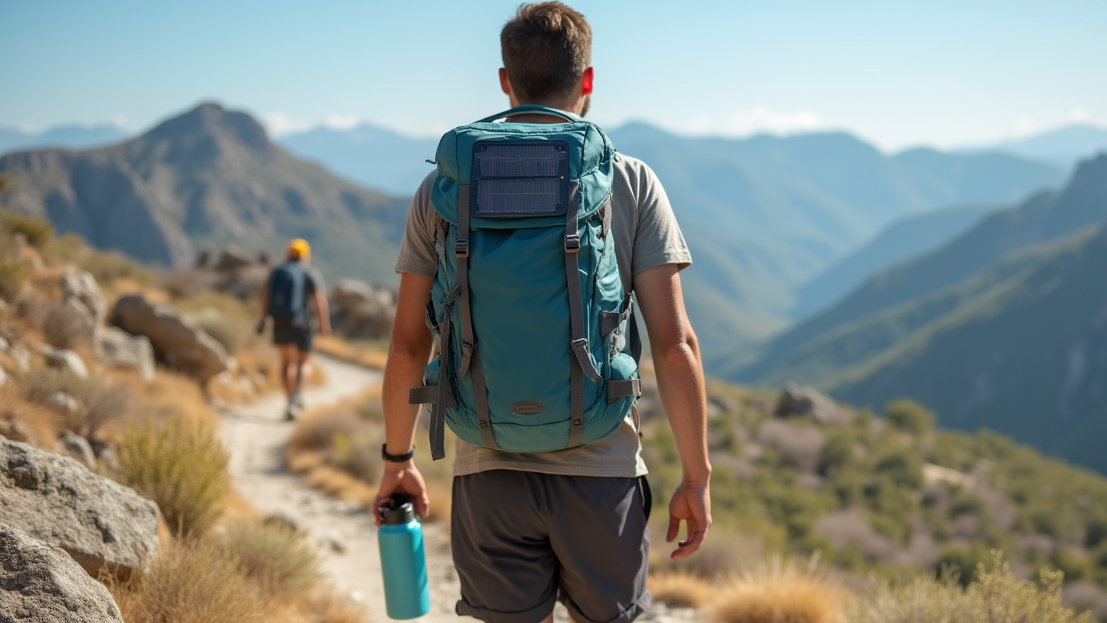
Trail users embraced lightweight, durable packs crafted from DCF and recycled fabrics—built to last, repair, and impact less.
Eco Cooking Systems
Refillable fuel systems and compact alcohol stoves replaced disposable canisters. This shift slashed trash and sped up campsite clean‑ups.
Solar Charging Everywhere
Portable fold‑out solar panels paired with rechargeable battery packs powered smartphones, GPS devices, and headlamps—day after day—without single‑use batteries.
Organic Hygiene & Refill Supplies
Compostable soap sheets, bulk kitchen and snack packing in silicone pouches, and water filters in reusable bottles helped hikers go plastic‑free.
What the Trails Taught Us
- Sustainability Sparks Sharing
Gear-savvy travelers shared zero‑waste setups en route—sparking impromptu lessons and swaps at popular campsites and trailheads. - Real Gear, Real Results
Lightweight doesn’t mean fragile. Most gear was built for reuse and endured multiple seasons—and hikers saved hundreds of grams. - Movement Across Mountains
This isn’t just about hiking—it’s about trail ethics evolving. Communities of hikers now expect low-impact gear as standard.