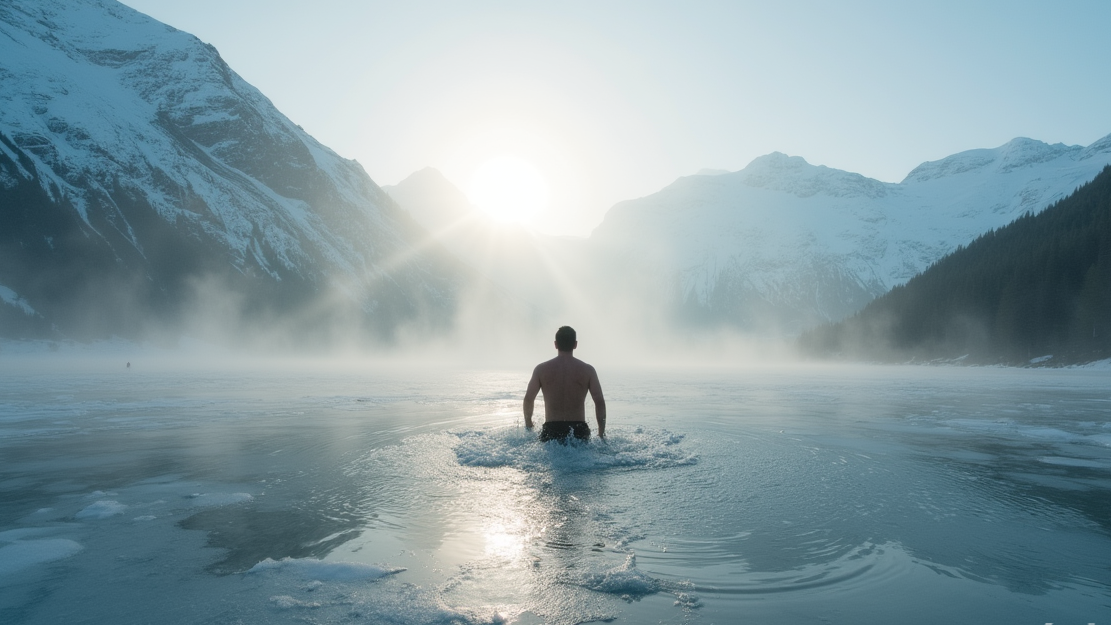
In recent years, wild swimming and cold-water therapy have surged in popularity, fueled by influencers, scientific studies, and the famed Wim Hof Method. Advocates praise its mental health benefits and physical resilience boosts, while critics warn of hidden dangers. Is this trend a natural remedy or a risky obsession? Let’s dive in.
1. The Allure of Wild Swimming & Cold Therapy
- Mental Health Miracle?
Studies suggest cold-water immersion can reduce stress, alleviate depression, and increase endorphins. The “cold shock response” forces mindfulness, pulling swimmers into the present moment—a natural antidote to digital burnout. - Physical Perks
Athletes use it for muscle recovery, improved circulation, and immune system boosts. The Wim Hof Method, combining breathing techniques and cold exposure, claims to enhance endurance and even combat inflammation. - Back to Nature
Wild swimming offers an escape from pools and screens, reconnecting people with rivers, lakes, and oceans—raw, unfiltered, and free.
2. The Dark Side: Risks & Controversies
- Hypothermia & Cold Water Shock
Sudden immersion can trigger gasping reflexes, leading to drowning. Even strong swimmers risk afterdrop (a dangerous post-swim body temperature plunge). - Access & Safety Gaps
Social media glorifies remote swim spots, but many lack safety signage, rescue access, or cell service. Viral trends ≠ responsible practices. - Who’s Left Out?
Not everyone can safely participate—people with heart conditions or poor circulation face higher risks. Is the “everyone should try this” narrative irresponsible?
3. How to Stay Safe (Without Missing Out)
- Start Slow
Begin with short dips in controlled environments (e.g., cold showers) before open water. - Buddy Up
Never swim alone. Hypothermia impairs judgment—having a partner saves lives. - Know the Water
Check currents, weather, and exit points. A picturesque spot can turn deadly fast. - Listen to Your Body
Shivering violently? Get out. Numb fingers? Get out. Pride kills more than cold.
4. The Big Debate: Adventure vs. Recklessness?
Proponents argue that calculated risks are part of human growth; critics call for stricter warnings on social media. Should wild swimming platforms enforce disclaimers? Should governments regulate high-risk locations? The discussion is heating up—even as the swimmers stay cold.
Wild swimming and cold therapy aren’t just trends—they’re a cultural shift toward nature-based wellness. But as popularity grows, so does the need for education over hype. The water isn’t the enemy; ignorance is.