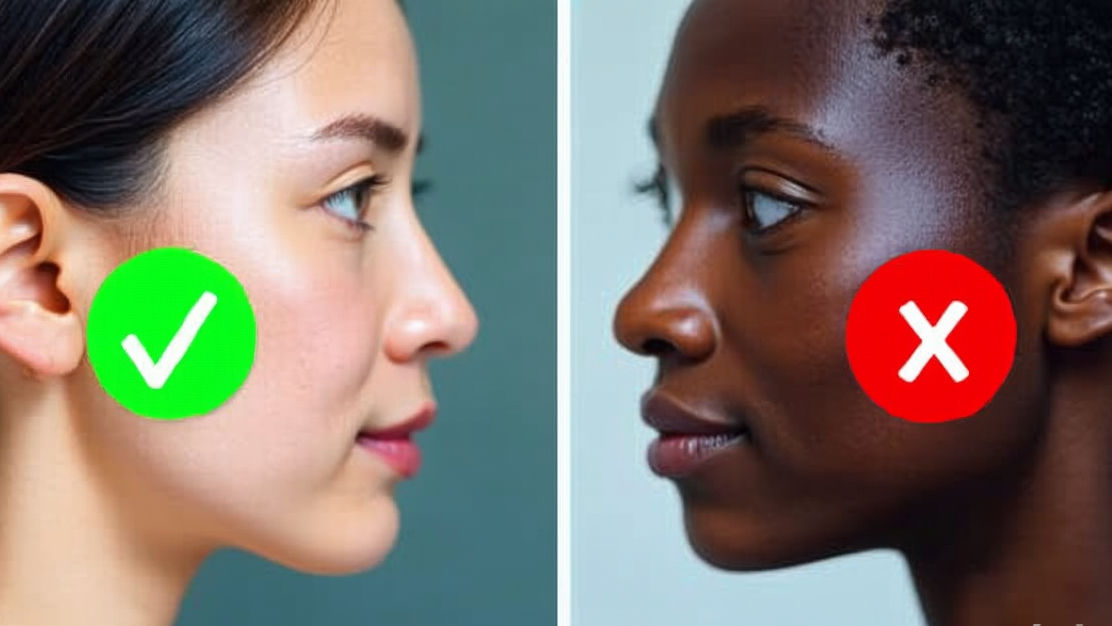
How racial, gender, and socioeconomic biases creep into medical AI – and what it means for your health
A Fatal Blind Spot
In 2022, a 28-year-old Black woman in Atlanta visited an urgent care clinic for chest pain. The AI system screening her symptoms dismissed her as “low risk” for a heart attack. Hours later, she collapsed from a massive coronary event.
This wasn’t an isolated incident. A Lancet Digital Health audit revealed that 81% of cardiac AI tools perform worse for women and people of color – a disparity traced to their training on predominantly white, male medical data.
The Dirty Secret of Medical AI
Three pervasive biases plague diagnostic algorithms:
1. The Skin Tone Gap
- Dermatology AIs achieve 95% accuracy diagnosing melanoma – but only for fair skin
- 42% error rate for dark skin conditions (vs. 8% for light skin) – NIH 2023 study
- Reason: 94% of training images came from Caucasian patients
2. The “Invisible Woman” Effect
- Heart attack prediction AIs miss 34% more cases in women
- Trained primarily on male symptoms (crushing chest pain), ignoring female presentations (fatigue, jaw pain)
3. The Poverty Penalty
- AI models predicting diabetes risk overdiagnose wealthy urban patients by 22%
- Rural/low-income patients get flagged later – their data is scarcer in training sets
How Hospitals Enable the Problem
Leaked emails from a major health system show administrators rushing biased AI into production:
*”Per CEO directive: Launch the sepsis AI by Q3 despite the minority performance gap. We’ll ‘address disparities’ post-release.”*
Meanwhile, patients are rarely told when AI is used – let alone about its limitations.
Fighting Back Against Algorithmic Bias
For Patients:
- Ask: “Was AI involved in my diagnosis? What populations was it trained on?”
- Demand alternative screening if you’re in an under-represented group
- Report suspected bias to the FDA’s AI incident database
For Providers:
- Johns Hopkins’ new Bias Checklist for vetting medical AI
- MIT’s “Diverse Data Pledge” – 40 hospitals committing to inclusive training sets
The Bigger Picture
This isn’t just about technology – it’s about which lives our healthcare values most. As AI reshapes medicine, we must choose: Will it magnify our existing biases, or help us overcome them?
Tomorrow in Part 3: Who’s selling your medical scans? The $12B shadow market in AI training data.